Security Cameras and Privacy: What You Need to Know
Security cameras are an excellent way to secure homes, businesses, and public areas. They serve as a deterrent to crime and assist in gathering evidence in the event of an occurrence. However, their use can generate privacy issues, particularly when cameras collect images outside of their designated locations. As monitoring technology advances, it becomes increasingly important to strike a balance between security and privacy rights. Understanding the legal consequences of employing security cameras, as well as the best strategies to safeguard privacy and operate cameras ethically, is critical for responsible camera use.
Legal Aspects of Using Security Cameras
Laws Regarding Surveillance and Privacy
Surveillance regulations differ by country, but in general, security camera owners must use caution not to infringe on the private rights of others. While it is permissible to monitor your property, you cannot record locations where people anticipate privacy, such as inside a neighbor's home or in toilets. In many areas, it's unlawful to record audio without authorization, even if visual surveillance is authorized. Individuals have the right to privacy even in public areas, which frequently have fewer constraints. Understanding the rules governing surveillance is essential for ensuring that your camera system is both legal and respectful of privacy.
Federal and Local Regulations on Camera Placement
Security camera placement is subject to certain requirements in addition to generic surveillance legislation. Camera installation in specific areas is frequently restricted by federal and municipal authorities. For instance, places like public bathrooms and private homes, where individuals have a legitimate expectation of privacy, cannot have cameras installed. Additionally, certain areas need special signage to let people know that surveillance is being used. Businesses and property owners must comply with these standards to avoid legal difficulties, including potential lawsuits from those who feel their privacy has been infringed. Prior to installing security cameras, make sure you are aware of local restrictions.
Data Protection and Storage Laws
When security cameras record footage, the information must be maintained and secured in compliance with data protection rules. Depending on your area, there may be rules controlling how long you may keep surveillance film and how it can be kept from illegal access. For example, the European Union's General Data Protection Regulation (GDPR) mandates stringent data storage regulations, but the United States has various state legislations on the subject. To avoid abuse or unauthorized viewing, ensure that any footage acquired by your cameras is securely kept and that access is limited to authorized persons.
How to Balance Security and Privacy?
Restricting Camera Coverage to Your Property
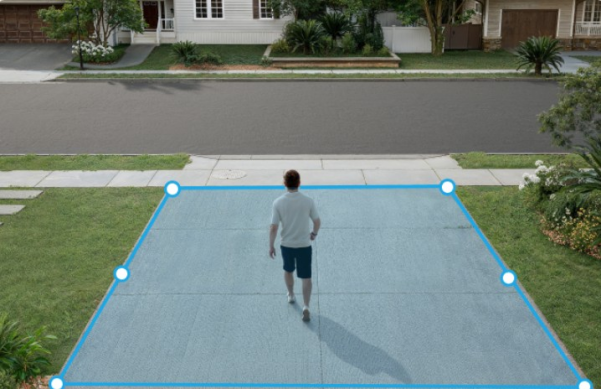
It's crucial to limit security camera coverage to your own property in order to protect privacy. Installing cameras that face public areas or nearby properties should be avoided since this may infringe upon people's right to privacy. By concentrating on locations like your yard, driveway, and entryways, you can keep an eye on your environment without bothering other people. You may utilize privacy zones to restrict the area being filmed or change the angle of some security cameras. Respecting others' privacy promotes positive connections with neighbors and the community, in addition to adhering to legal requirements.
Using Smart Cameras with Privacy Features
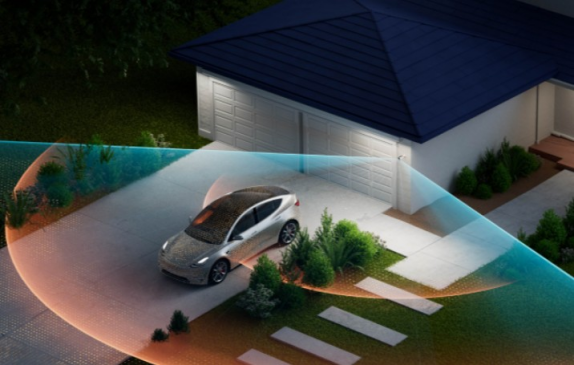
Smart security cameras frequently include privacy features that assist in balancing security requirements with respect for privacy. Motion detection, which only records when movement is detected, helps to avoid ongoing monitoring and reduces unneeded video. Some cameras also include options that let you obscure or eliminate specific regions from recording, such as a neighbor's yard. Furthermore, many smart cameras have end-to-end encryption to keep footage safe from illegal access. These privacy features allow you to efficiently deploy surveillance technology while avoiding infringing on privacy rights or exposing sensitive data to prospective breaches.
Informing Visitors and Neighbors About Surveillance
Transparency regarding monitoring is critical for preserving a balance between security and privacy. Informing visitors and neighbors that security cameras are in use helps to manage expectations and build trust. Clear signage showing that your home is under video surveillance is a standard practice that both deters crime and ensures that people are aware of the monitoring. Furthermore, discussing camera usage with neighbors might help prevent misconceptions or worries about privacy invasion. Being open about your monitoring procedures not only ensures compliance with rules but also develops a respectful workplace for everybody.
Best Practices for Ethical Use of Security Cameras
Setting Clear Boundaries for Camera Use
Setting clear boundaries for where and how you utilize your security cameras is critical to ethical surveillance. Limit the cameras to monitoring only your property and minimize catching locations where people assume privacy, such as via windows or onto neighboring yards. Determine the particular goals for which the film will be utilized, such as crime prevention or evidence collection. Setting these limitations ensures that your cameras perform their intended purpose without crossing legal or ethical borders. Regularly monitoring your camera locations and settings ensures that they stay inside the established bounds.
Choosing Cameras with Motion Detection to Minimize Intrusion
Motion detection cameras offer a practical alternative for reducing needless surveillance while protecting privacy. These cameras only activate when they detect movement, limiting the quantity of film taken and preventing unnecessary recording. This function reduces the intrusion of continuous monitoring while still providing protection from possible threats. Motion detection cameras guarantee that you capture interesting footage without infringing on your privacy. This strategy is not only more efficient in terms of data storage but also more ethical, as it avoids unnecessary surveillance of regions where no activity is taking place.
Conclusion
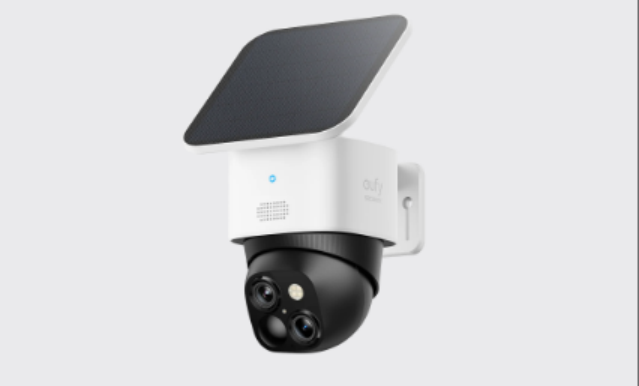
Security cameras, including solar powered security camera, provide a vital layer of protection for your property, but their use must be balanced with respect for privacy. Understanding the legal elements of surveillance, such as applicable laws and regulations, is critical for ensuring that your camera system is both effective and lawful. You may successfully protect your property while adhering to ethical norms by using best practices such as limiting camera coverage, employing privacy options, and maintaining transparency with neighbors. The goal is to constantly emphasize privacy and obtain consent when needed, ensuring that your security measures do not violate the rights of others.
Popular Articles/span>